Our Biennale Young Producers
Chol is working in partnership with The Children’s Art School to recruit five young people aged 16 - 24 to…
We’re really excited to share that Chol Theatre has been awarded £182,901 from The National Lottery Community Fund for Where We Stand, a new three-year programme working with young people…
We’re really excited to share that Chol Theatre has been awarded £182,901 from The National Lottery Community Fund for Where We Stand, a new three-year programme working with young people and communities across Kirklees.
Beginning in Fartown and Ashbrow, the programme will create paid opportunities for young people aged 16-24 to develop skills, explore where they live, and turn their ideas into creative projects.
This is an important next stage in the work we have been developing for many years: creating meaningful routes for young people to move from taking part to developing their own ideas, making decisions, controlling resources and leading work themselves.
For more than 30 years, Chol has worked with children, young people and communities through theatre, creativity and play. Over that time, we have learned a lot about the difference between giving someone an opportunity to take part and giving them the time, resources and support to really build on it.
Young people have also told us clearly what gets in the way.
In the consultation that helped shape Where We Stand, young people spoke about a lack of affordable things to do, feeling unwelcome in some spaces and wanting opportunities where their ideas would be taken seriously. One of the strongest messages was that young people did not want to be asked for their views and then see nothing happen as a result. We have carried that learning into the programme’s design from the beginning.
We want to create opportunities that last long enough for relationships and confidence to grow, and where young people have the resources to act on their ideas. Crucially, the Young Producer roles are paid. We believe that if we value young people’s time, knowledge, and contribution, that value must be reflected in how opportunities are designed.
In Year One, eight young people from Fartown, Ashbrow and the surrounding area will join Chol as paid Young Producers.
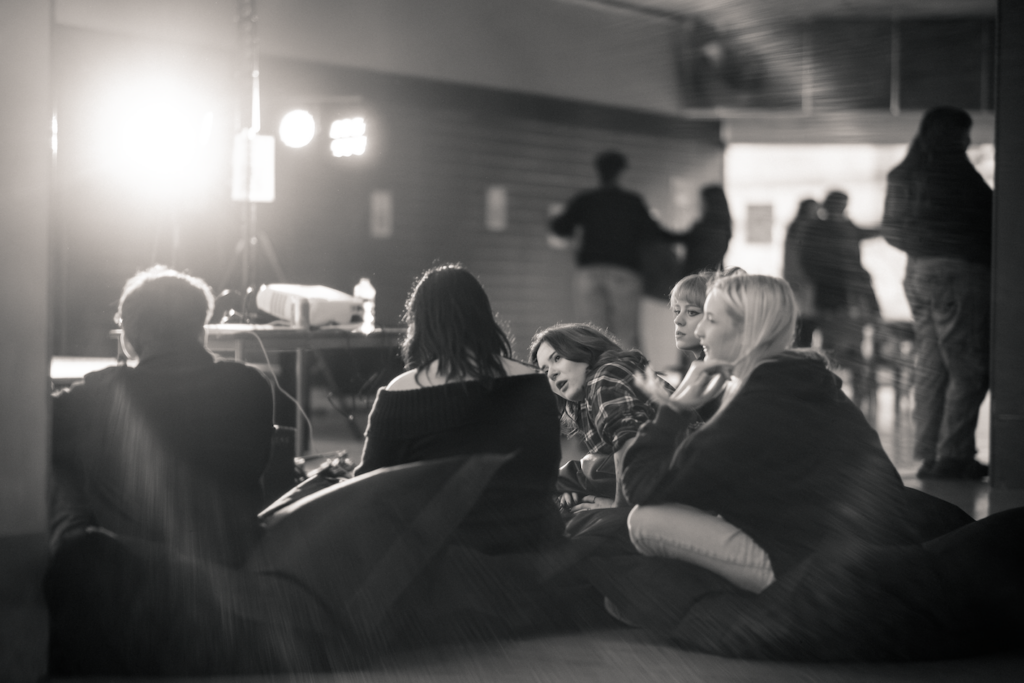
They will already bring their own experiences and understanding of where they live. Over the year, they will build on that by connecting with other young people, local residents, businesses, and organisations; learning more about local stories and spaces; and thinking about what they value about their area, what they would like to see more of, and what they might want to change.
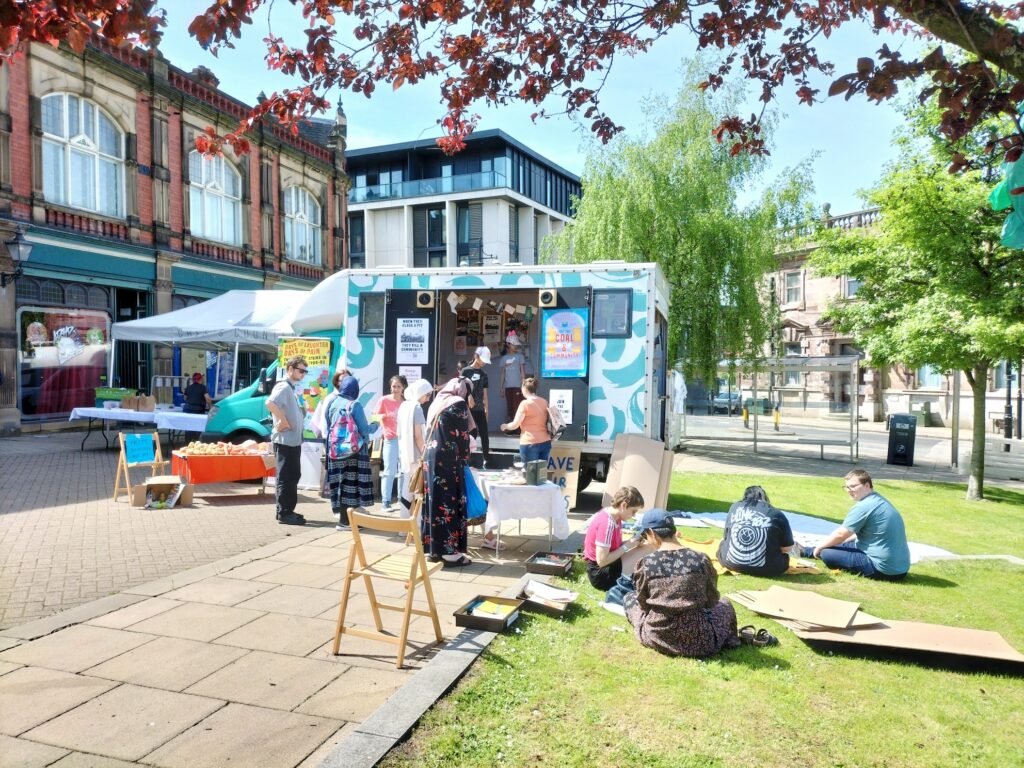
Our Cholavan, a mobile creative space, will also help us spend time in familiar local places and build connections beyond arts venues or formal settings.
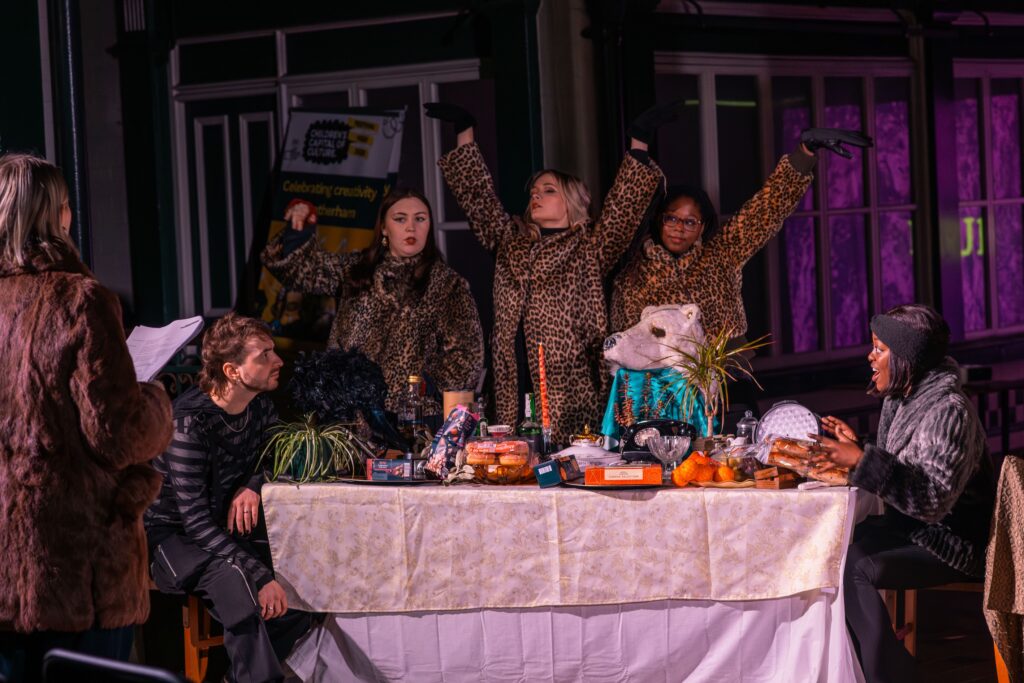
Alongside this work, Young Producers will receive paid training and mentoring to build their creative, leadership and project skills. They will then develop projects of their own, which could take the form of film, performance, public art, exhibitions, publications, community events or something that emerges through the ideas and relationships they build along the way.
Young Producers will have real, meaningful responsibility for the work they create. They will decide what they want to explore, which artists or practitioners they want to work with, where their work happens and how their project budgets are used.
This is an important distinction; Youth voice has to mean more than being invited into a conversation. It also has to involve access to resources, opportunities and decision-making.
We are also interested in what happens after someone’s first opportunity. Across the three years, 24 young people will take on paid Young Producer roles, with new groups joining as the project develops across Kirklees. From Year Two, previous Young Producers will also have opportunities to return in paid peer mentor roles, supporting new groups while continuing to build their own experience.
We want there to be a visible route from having an idea to learning how to develop it, making something happen, working with other people, taking responsibility and finding further opportunities. This connects with a much bigger question for Chol about access to the creative sector.
Talent, imagination and ambition are everywhere. Access to paid experience, networks, resources and leadership opportunities is not.
We want Where We Stand to play a practical part in addressing that. That means paying people, sharing resources and creating opportunities where young people can build experience without already needing to know the right people, have previous arts experience or understand how the sector works.
That thinking is also reflected more widely in Chol’s current programme, where we are developing clearer routes for young people and early-career creatives to build experience in facilitation, project development, decision-making and leadership.
Where We Stand is also part of Chol’s wider approach to working deeply and consistently in Kirklees.
Fartown and Ashbrow are not just the locations where Year One will happen. The people, relationships, stories, organisations and ideas within those neighbourhoods will influence what the programme becomes.
Young Producers will look at what is already happening locally, where people gather, what skills and resources exist, what might be missing and where different people or organisations could be better connected. They will also be encouraged to look at how different parts of community life relate to one another, connecting their own experiences with wider social, economic and environmental issues affecting the places where they live.
As the programme develops, we expect Years Two and Three to take Where We Stand into Dewsbury and Batley. We will carry learning forward from one year to the next, while recognising that each place has its own people, relationships, histories and strengths. We don’t want to assume that the same approach will work everywhere; the work needs to grow from the place and the people involved.
We’re taking this approach across more of Chol’s work too, from schools and libraries to community projects and Cholavan outreach. We want to spend more time in places, build stronger relationships, and create clearer routes for children and young people to keep developing their ideas, skills, and leadership over time.
There is an important connection between the questions we are asking through Where We Stand and the questions we are asking of ourselves as an organisation.
If we want young people to have meaningful influence over the projects they are part of, we need to keep looking at where influence sits within Chol too. If we want more people to have access to leadership opportunities, we need to think about how people enter and progress through our own organisation.
This is part of the thinking behind the development of Chol-Operative, our collaborative approach to leadership and shared responsibility.
It is also closely connected to Strive, which is about making anti-racist, inclusive, and reflective ways of working part of Chol’s everyday culture: how we make decisions, build projects, work with partners, respond to challenge, and recognise when something needs to change.
Strive only means something if it affects what we actually do. Our organisational work around Strive increasingly asks practical questions about who has been included, whose experience might be missing, who holds decision-making power, what barriers we may be creating and what we need to do differently as we learn. Where We Stand gives us another place to put that thinking into practice.
Young Producers will shape the programme, and what they experience, question, and challenge will also help Chol think differently about our own projects, partnerships, and ways of working.
One of the things we value most about having three years is the chance to learn properly as the project develops.
We do not need to pretend we already know exactly what will work. We can test ideas, notice when something isn’t working, change direction, and carry that learning into the next stage.
We are interested in exploring some big questions along the way. What helps someone feel confident enough to lead? What gets in the way? Does paying people change who can participate? What happens when young people control resources rather than advising other people how to spend them? What does an arts organisation learn by spending sustained time in one neighbourhood?
Young people, artists, staff and partners will all be involved in exploring those questions, and learning from Year One will directly shape Years Two and Three. The project is designed with reflection and adaptation built in, rather than evaluation happening once everything is finished.
We also want to share what we learn with others. That includes what works well, but also what we rethink, change, or get wrong. We hope the learning can contribute to wider conversations across arts, youth work, community development and local decision-making about what meaningful youth leadership can look like in practice.
As the Young Producers’ ideas develop, they will decide what skills and collaborators they need.
That creates opportunities for the project to connect young people with the wealth of creative practice already happening across Kirklees and the wider region.
We would love to hear from artists, creatives and community practitioners whose work connects with young people, place, access, inclusion, community-led change or the wider social and environmental issues shaping where we live.
We are deliberately not creating a fixed list of collaborators now, because those relationships should respond to the ideas the Young Producers develop.
If this connects with your practice, we would love to know you are out there. You can contact jess@wearechol.co.uk to start a conversation.
Three years from now, we hope Where We Stand has created brilliant work, paid opportunities and new relationships across Kirklees. We also want its impact to reach further than the individual projects created along the way.
We want Young Producers to leave with stronger networks, new skills, real experience and evidence that their ideas can become something tangible. We want new connections to have grown between young people, artists, organisations and the places they live. We want the learning to be useful to other people working with young people and communities.
And we want Chol to be different because of what we have learned.
Where We Stand is part of a bigger ambition: to be an organisation deeply rooted in Kirklees, creating excellent and ambitious work while widening who gets to make it, who gets to lead it and who gets to shape what happens next.
Where We Stand is made possible with funding from The National Lottery Community Fund, thanks to National Lottery players.
Chol is working in partnership with The Children’s Art School to recruit five young people aged 16 - 24 to…
Six years ago, Chol made the decision not to recruit a new CEO. At the time, this felt both exciting…
A space for conversation, creativity and critical thinking During the February half term, MakerWorld in Huddersfield became a space for…

Community Cast Call Out – Sheffield This project is about reclaiming that history. It’s about lifting up the working-class women,…