Work with us
Schools & Education Co-Director We’re looking for a Schools & Education Co-Director to join Chol at an exciting moment in…
Six years ago, Chol made the decision not to recruit a new CEO. At the time, this felt both exciting and slightly terrifying. Our long-standing CEO was stepping down, and…
Six years ago, Chol made the decision not to recruit a new CEO.
At the time, this felt both exciting and slightly terrifying.
Our long-standing CEO was stepping down, and as a small team and board we found ourselves sitting with a rare opportunity: rather than simply recreating the structure we had inherited, we paused to ask whether there might be another way of working altogether.
What emerged from those conversations became the Chol-Operative – a collaborative leadership model rooted in co-creation, shared learning, equity of voice and a desire to make leadership in the arts feel more accessible, transparent and collective.
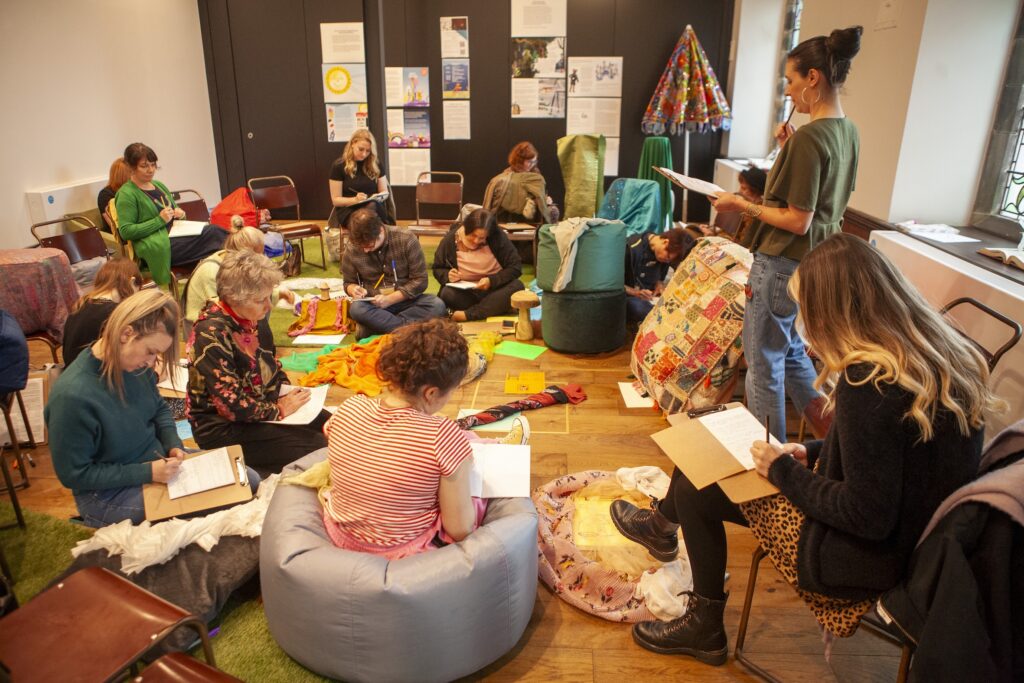
In our early writing about the Chol-Operative, we described the model as a ‘flat structure with equal pay’. That language reflected where we were at the time: a small team trying to challenge traditional hierarchies, share responsibility differently and build a culture rooted in trust, care and collective creativity.
Over the last five years, we’ve spoken publicly and honestly about this journey. In 2023, Co-Director Dr Vicky Storey reflected on the origins of the Chol-Operative and the organisation’s decision to move away from a traditional CEO model. Later that year, Associate Lauren Townsend wrote about the opportunities the structure created for freelancers and emerging creatives to contribute strategically to organisational conversations and decision-making.
Both blogs captured an important moment in the Chol-Operative journey – one rooted in experimentation, optimism and a belief that leadership could be approached differently.
And we still believe that.
But over time, through practice, reflection, evaluation and some very honest conversations internally, we also realised that the language of a “flat structure” no longer fully reflected how leadership and accountability were actually operating within the organisation.
Some responsibilities could be shared. But others carried very different levels of legal, financial, strategic and safeguarding accountability.
At the same time, we began to recognise something else: equity and accountability are not opposing ideas – but balancing them requires clarity, honesty and structure.
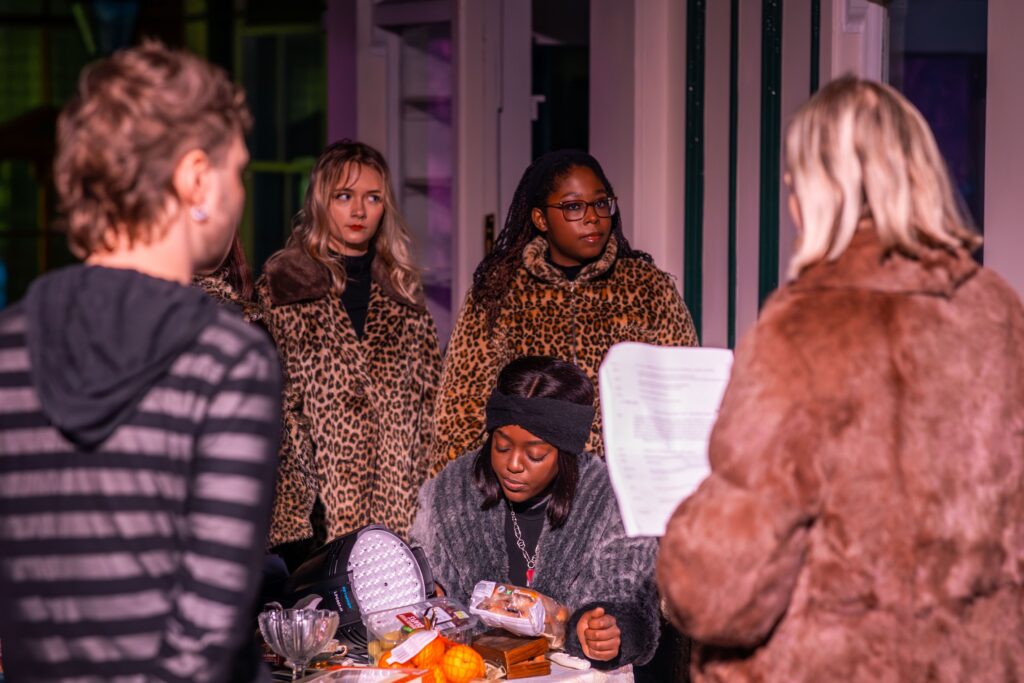
One of the biggest pieces of learning for us has been understanding that collaborative leadership still requires clarity. Clarity around responsibility, accountability, progression, support structures and how organisational knowledge is shared.
Like many organisations across the arts and cultural sector, we have also been navigating wider questions around sustainability, burnout, workforce development and leadership pathways.
Recent sector conversations – including the Creative Industries Sector Plan and Creative Industries Skills Audit – have highlighted growing concerns around workforce wellbeing, leadership development, access to progression routes and the long-term sustainability of creative careers.
These conversations feel deeply connected to the questions we have been asking ourselves internally for several years.
How do we create leadership structures that are more accessible and less isolating?
How do we develop future leaders without reproducing harmful hierarchies?
How do we share power responsibly?
How do we support emerging creatives to contribute strategically to organisations?
How do we create environments where people can learn, lead and grow without burning out?
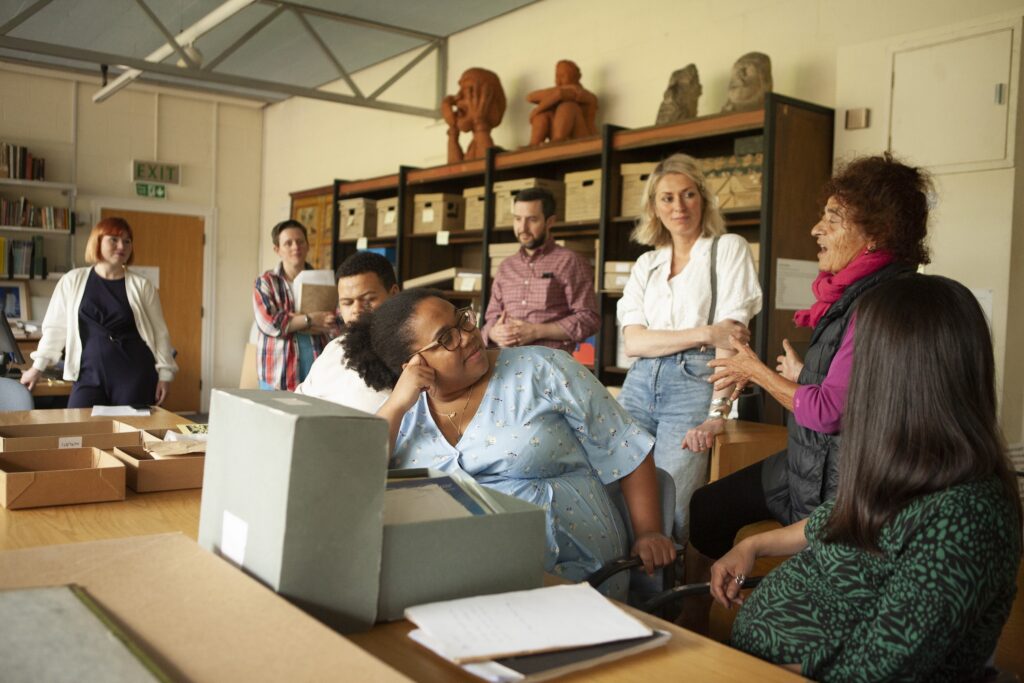
We definitely do not claim to have all the answers.
But we do believe organisations themselves should also be sites of reflective practice and learning.
For us, the Chol-Operative has never been a finished blueprint or a static model. It has been an ongoing organisational inquiry into collaboration, equity, care, accountability and leadership.
Some things have worked incredibly well.
The structure has created more open strategic conversations across the organisation. It has supported shared learning, transparency and collective creativity. It has created opportunities for emerging artists and freelancers to contribute to organisational thinking in ways that are often difficult to access within more traditional structures. It has encouraged us to interrogate power dynamics not only within our artistic practice, but internally too.
At the same time, some assumptions became more complex in practice.
We learnt that collaborative leadership does not remove the need for accountability structures.
We learnt that hidden hierarchies can still emerge informally if roles and responsibilities are unclear.
We learnt that shared leadership requires robust systems, communication rhythms and clear governance processes to work sustainably.
We learnt that career progression and differing levels of expertise need to be recognised more intentionally.
And we learnt that care and collaboration must be supported by structure, not replace it.
Over the last year, these reflections have led us into the next iteration of the Chol-Operative.
Moving forward, we are evolving the structure into a more clearly defined collaborative leadership model – one that still centres equity of voice, shared strategy, transparency and collective learning, whilst also recognising differing levels of responsibility, accountability and experience across roles.
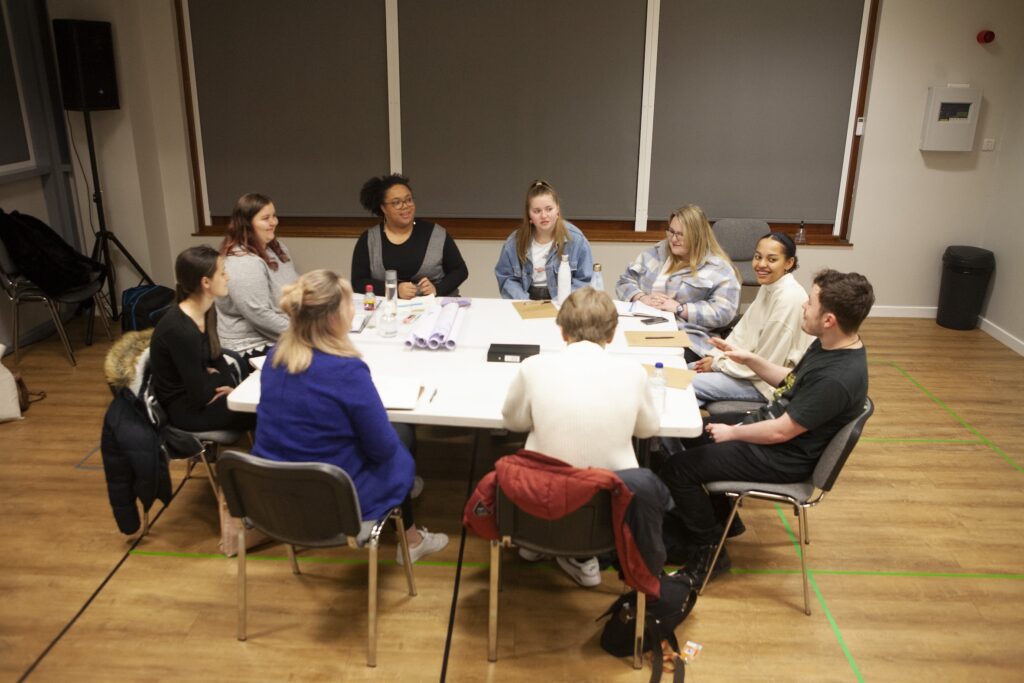
This includes the introduction of Associate Co-Director pathways: supported leadership development roles designed to create more accessible routes into organisational leadership without placing full organisational accountability onto emerging practitioners before they are ready.
Importantly, this evolution is not about moving away from collaboration.
It is about making collaboration more sustainable, transparent and resilient in practice.
For us, co-creation has always been about more than artistic methodology. It is about how we work with communities, how we hold space, how we share learning and increasingly, how we structure organisations themselves.
As a company rooted in work with children, young people and communities, it feels important that the values underpinning our artistic practice are also reflected in the way we approach leadership, governance and organisational culture.
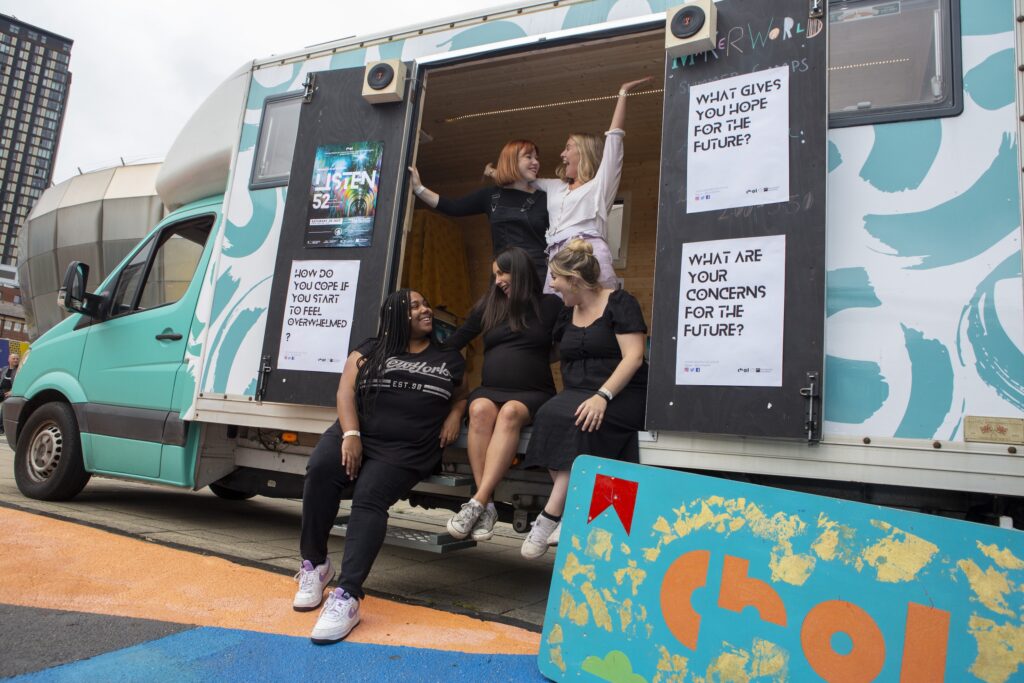
The Chol-Operative is still evolving.
We expect it always will be.
And whilst there have absolutely been challenges along the way, we remain committed to sharing that learning openly and honestly – because we know many organisations across the sector are grappling with similar questions around sustainability, equity, leadership and care.
We don’t see transparency around organisational learning as a weakness. We see it as part of the work.
As we move into this next chapter, we’re excited to continue exploring what collaborative leadership can look like in practice – and how organisations might create more equitable, supportive and sustainable environments for the people and communities they work alongside.
Schools & Education Co-Director We’re looking for a Schools & Education Co-Director to join Chol at an exciting moment in…
We’re really excited to share that Chol Theatre has been awarded £182,901 from The National Lottery Community Fund for Where…
Chol is working in partnership with The Children’s Art School to recruit five young people aged 16 - 24 to…
A space for conversation, creativity and critical thinking During the February half term, MakerWorld in Huddersfield became a space for…