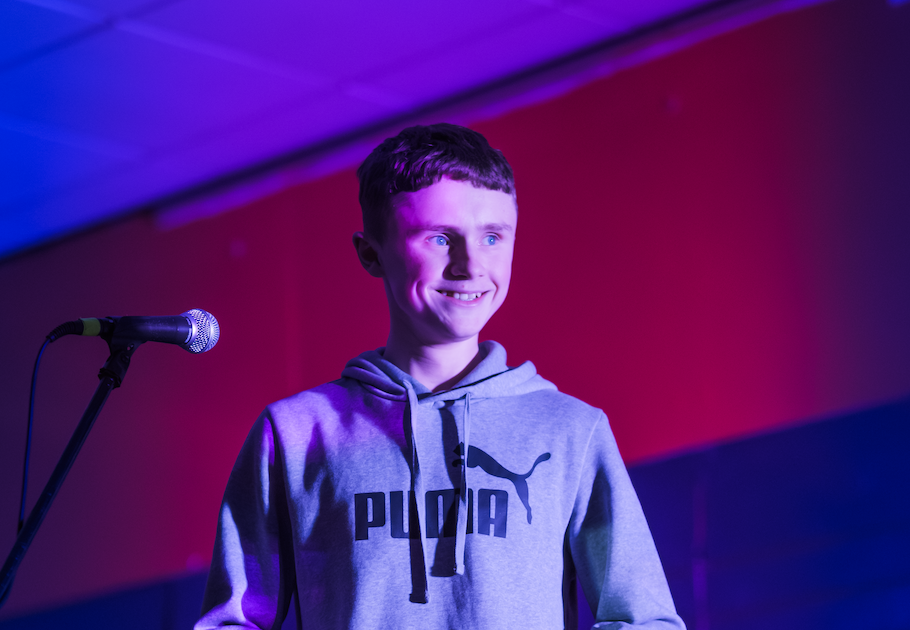

What Happens When Young People Lead Culture in Huddersfield
A space for conversation, creativity and critical thinking During the February half term, MakerWorld in Huddersfield became a space for…
Evaluation blog by Dr Becky Parry, an independent arts educator and the arts evaluation partner for Chol. It’s no coincidence that this blog about Chol’s professional development day arrivesas another…
Evaluation blog by Dr Becky Parry, an independent arts educator and the arts evaluation partner for Chol.
It’s no coincidence that this blog about Chol’s professional development day arrives
as another series of ‘Sewing Bee’ gets into full swing. I have to admit to eagerly
anticipating the start of all the crafty, reality TV shows, enjoying exchanging
comments about the new group of sewers / potters / bakers with friends. It’s a guilty
pleasure, which I confess, includes the odd, huffy comment about some young un
who insists on pink frills and puffy sleeves…. tsk. I’m often then bought up short
when an insight into their circumstances leaves me having to rapidly revise my first
impressions.
These back stories, can, I know, be a little tropey but, there can be little doubt when
people take part in a creative process, the things they make and the way they make
them, tells us so much about them. We follow them as they make mistakes, cheer
them on when they overcome challenges and cry when they cry. In the context of
Reality TV, when contestants talk about their journey, I have to resist the temptation
to roll my eyes. But the most compelling and memorable moments in these shows do
seem to come because of the distance travelled. The journeys children take within a
creative process was something we discussed at a Think In about the Imaginary
Communities residency programme (IC).
Chol’s IC programme, funded by the Paul Hamlyn Foundation, invites participants to
become equal playmakers who imagine together a place and then fill it with
characters whose stories unfold. The process is very different from drama where
children become performers in a play or even from improvisation or ‘mantle of the
expert,’ because the power really shifts away from the teacher or practitioners out to
the whole class or group. Post-lockdown, it’s been clear that some children will need
a lot of support to trust this process, especially early on, and will find collaborating
and contributing ideas really challenging.
At Seven Hills school, a Secondary in Sheffield for young people with severe and
profound learning difficulties, the teachers explained that the young people they work
with were really lacking the confidence to have a go. One of the teachers
commented: Without doing this you get limited… you are frightened to go into a classroom
to ask for a pencil.
The sustained time allowed by the IC residency approach is clearly important to the
engagement of the young people, as is the possibility to play in a way which values
their ideas and allows them to break out of a norm of disengagement. The IC the
young people created was a storm. Beccy Dyer, the IC drama practitioner, pointed
out that the ideas were often quite dark and boundary-pushing but that it was critical
that, ‘whatever they suggested, we just go with it.’
Other factors which helped the students engage with the IC process included shared
and equal playfulness, ‘we all act silly so they join in.’ This helped the young people
overcome peer pressure and their worries about how others would perceive them.
The team shared how important it had been to build that trust so that the young
people could have confidence to be themselves, to ‘not be afraid to say how or who
they really are…’
Chol’s focus on care in IC has led us to think about the acts of care which rebuild this
confidence. Collaboration and embodied immersion in a story- world are clearly
highly valuable:
Our turning point was – we had one student who usually does his own thing, but he just stood in the middle and started turning around saying ‘I’m a storm, I’m a storm…’
So, Storm the character, became the story and then this gave
the others a pathway and where we’d had a lot of death and destruction in the story, suddenly we had a lot of hope.
(Teacher, Seven Hills School)

Another act of care which stood out for the Seven Hills IC team also involved
collective, embodied action. Beccy described the way one young person, took the
arm of another and led them into the eye of the storm, saying ‘you have to take part
in this.’ One of the teachers took up the story:
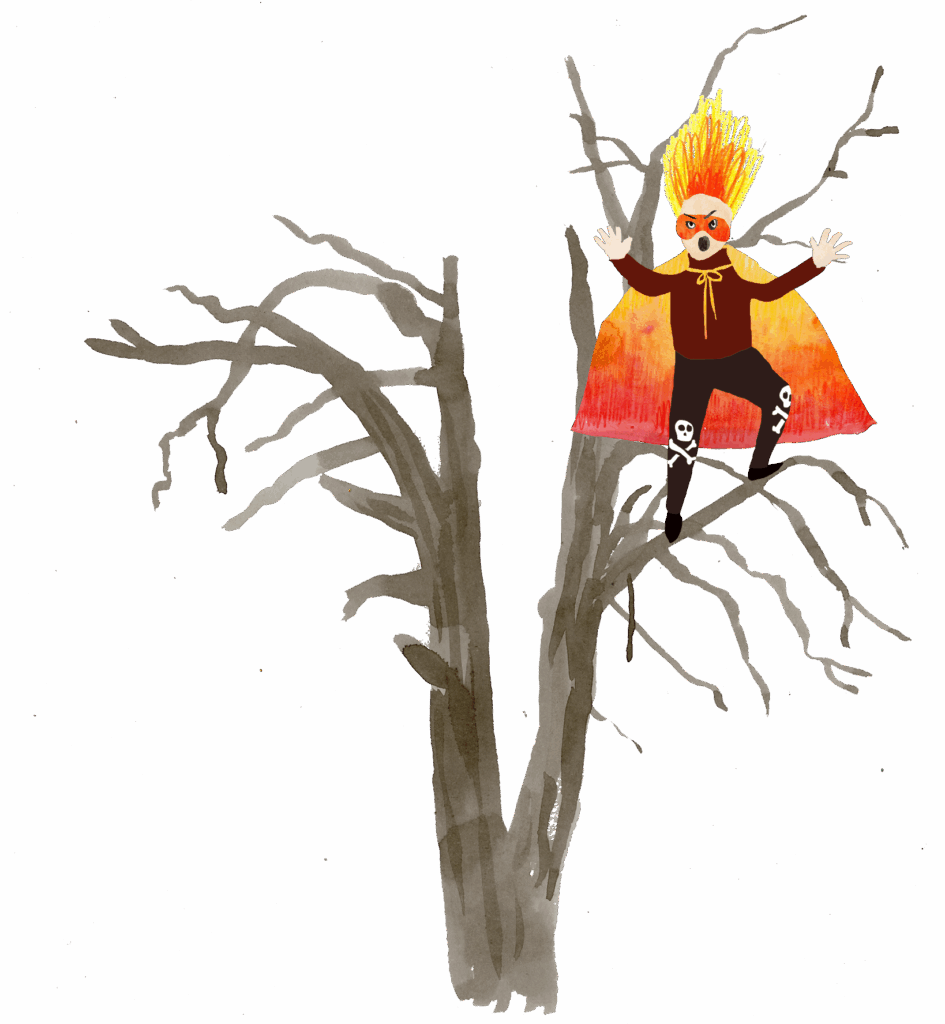
There was a lovely moment with two students. One student was going to be either a superhero or a villain and he was going to defeat the storm. There was another student who was quite newly arrived, who doesn’t yet speak a lot
of English and the first lad just grabbed him and absorbed him completely into it. They were holding hands and he guided him through and everything was a shared action to defeat the storm together. It would have been so easy for that young man to just be the one who was going to be the hero, but that wasn’t even part of his thought process – it was just one of those amazing moments where you think you are going to cry.
(Beccy Dyer, IC Drama Practitioner)
This is an example of one of those magical occasions when the fictional world of IC
and the classroom blur:
For us, this moment was the dawn of a new era really. So, the ancient world
was destroyed in the storm. We’d had so many weeks of just building up and
trying to work hard on the different areas. They were suddenly all trying to
help one another, rather than vampirically murder one another.
This was clearly a transformational for the Seven Hills class; a journey had been
taken. My comparison with the pleasure of watching reality TV shows feels rather
light-weight by comparison. But there is a parallel; we most admire those who start
the process, feeling self-doubt, anxiety and caution and end by creating something
so resourceful, compelling and joyful that we are stunned to silence / tears /
applause. Watching someone flourish when their ideas, skills and experiences are
valued, is a joy most teachers experience but in IC they are the result of frequent
acts of care, implicit within the creative process, that mean that IC is always a journey.
The destination is often unknown, there are no winners and losers, but it is
always possible to hold hands and take the first few steps into the storm together.

A space for conversation, creativity and critical thinking During the February half term, MakerWorld in Huddersfield became a space for…
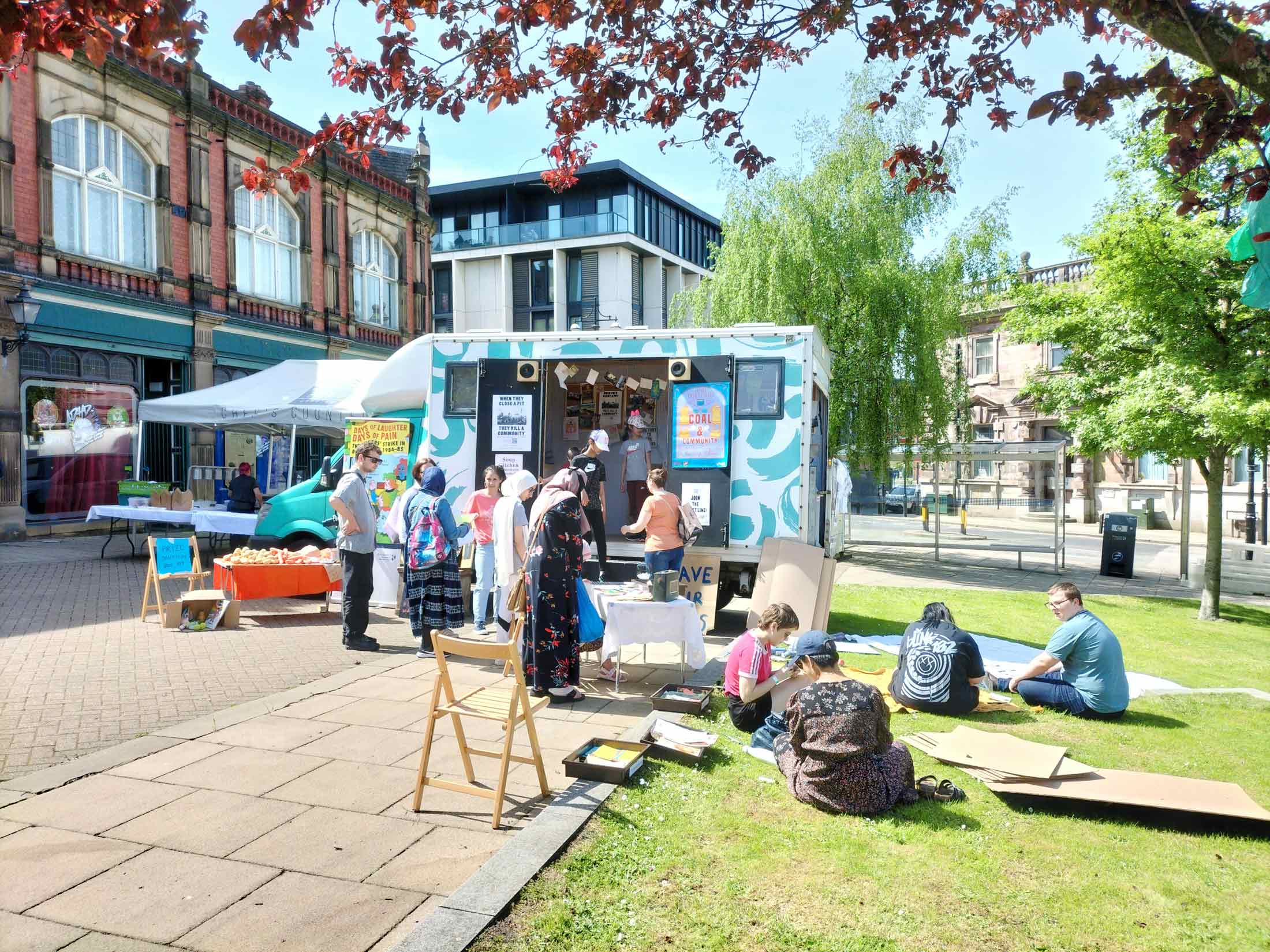
We are beyond excited to share the incredible news that Chol has been awarded a WYCA Unlimited Micro Capital Grant to enhance the accessibility and inclusivity of the Cholavan!
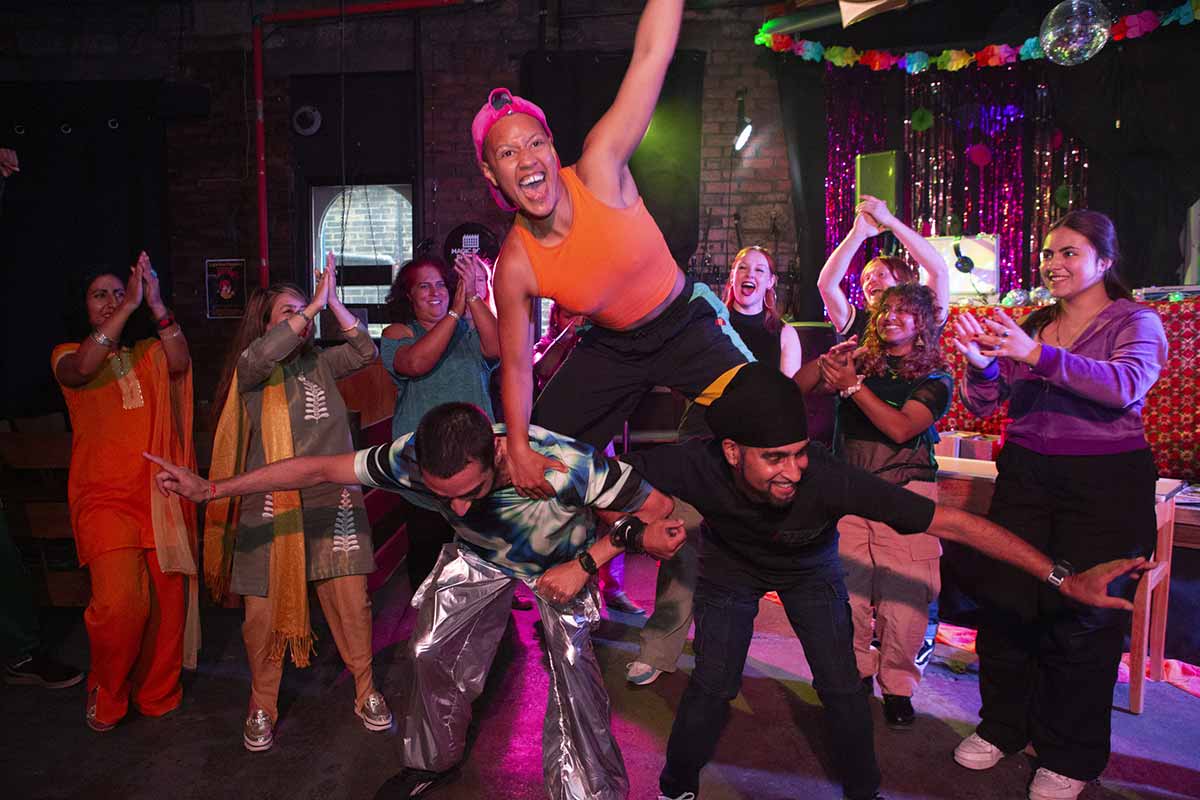
Developed in collaboration with the Children's Capital of Culture, the free one day event will fill the Civic with workshops,…
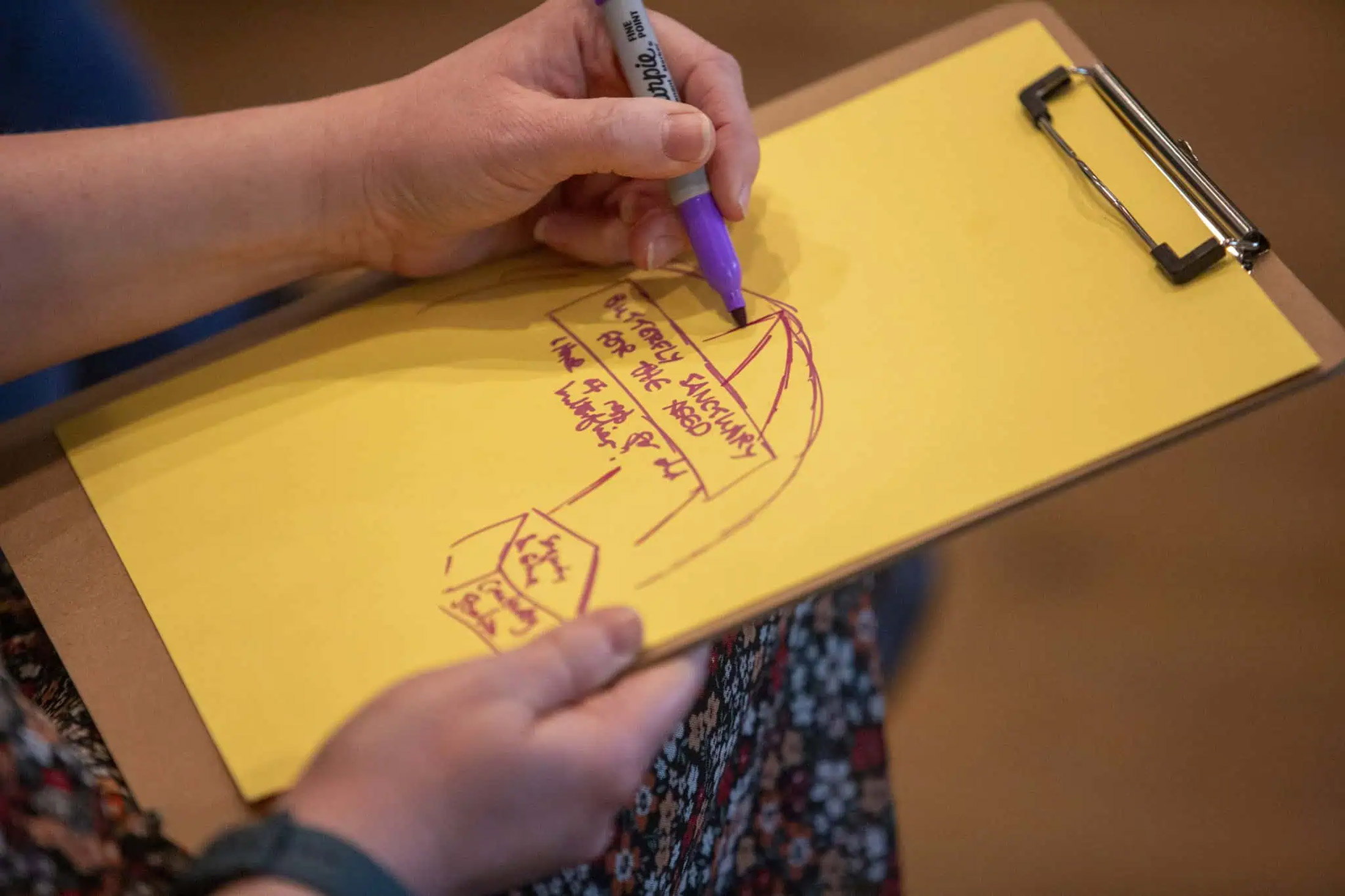
On 21 August, more than 25 artists, educators, evaluators, and cultural practitioners logged on for something brand new: the Evaluation…